
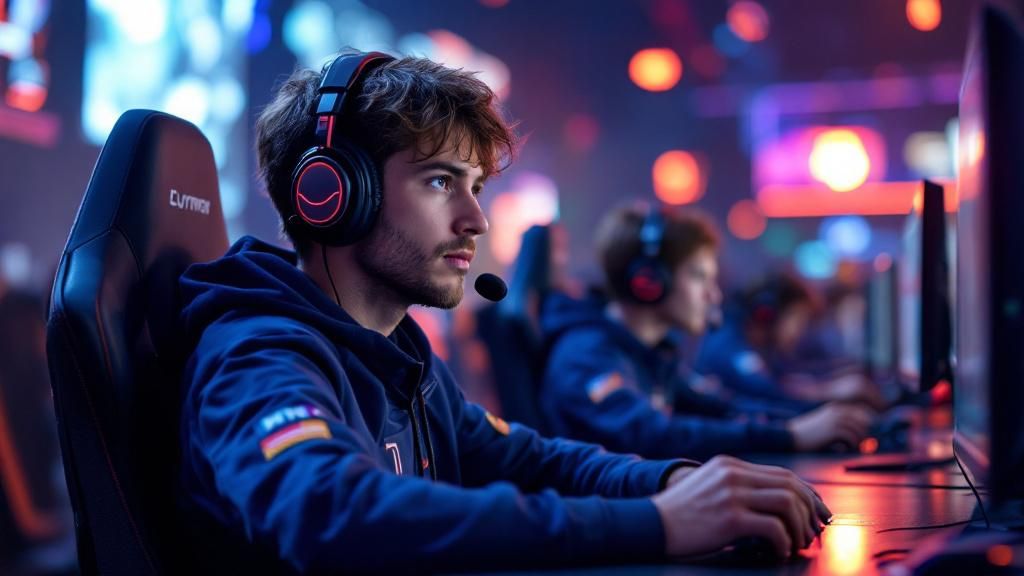
The esports industry has advanced substantially in prioritising competitor wellbeing. Prominent event operators have collectively introduced a comprehensive player welfare standards framework, tackling persistent issues about mental health, working conditions, and fair treatment within the professional gaming sector. This groundbreaking development marks a turning point for esports legitimacy, setting foundational safeguards that could transform how the industry operates. We examine the framework’s principal elements, the bodies spearheading this shift, and what it means for athletes and professional gaming going forward.
Comprehensive Industry Pledge to Player Wellbeing
The joint initiative between prominent esports bodies marks a watershed moment for athlete safeguarding within esports competition. This cohesive approach demonstrates the market’s authentic resolve to creating lasting protocols that emphasise player health alongside competitive excellence. By combining knowledge and capabilities, these organisations have developed detailed frameworks addressing physical health, mental wellness, and professional security. The programme demonstrates expanding understanding that competitor health substantially impacts output standards and professional lifespan, making it essential for the industry’s standing and expansion.
Tournament organisers have recognised that earlier guidelines were disjointed and variable, leaving players vulnerable to abuse and fatigue. The updated system creates uniform requirements across major competitions, ensuring every professional competitor gets fair consideration and access to essential support services. This coordinated approach removes unfair disparities resulting from differing safeguards and sets fair competition standards. Industry experts stress that these standards form essential foundations, prompting entities to go beyond minimum standards and create truly caring settings where competitors can excel in career and personal development.
Core Features of the Social Support Framework
The recently created welfare framework consists of various interrelated pillars created to ensure player protection comprehensively. These elements cover mental health support, physical fitness, equitable employment terms, and straightforward conflict resolution procedures. By integrating these elements, tournament operators aim to create a holistic approach that recognises esports athletes as professional competitors deserving comprehensive protections. The framework sets essential standards that all associated competitions must implement, ensuring standardised player protections across the professional gaming environment.
Mental Wellness Care Services
Understanding the emotional demands inherent in professional esports, the framework stipulates availability of qualified psychologists for all players competing. Tournament organisers are required to provide confidential therapy services, through direct delivery or collaborative arrangements with qualified mental health providers. These services encompass stress reduction, performance anxiety support, and emergency intervention services. Players have access to trained psychologists who understand esports-specific challenges, including online abuse, severe competitive pressure, and uncertain career prospects.
The framework further stipulates tournaments to introduce psychological awareness schemes and destigmatisation initiatives within the community. Organisers are required to educate players, coaches, and staff about identifying wellbeing issues and utilising proper help. Periodic reviews and wellness monitoring systems enable detect struggling players early, allowing proactive intervention before situations progress into severe mental health emergencies.
Physical Health Requirements
Tournament organisers must create comprehensive physical health standards tackling ergonomics, break times, and medical oversight. The framework mandates correct seating arrangements, display positioning, and downtime to prevent repetitive strain injuries common among esports professionals. Healthcare professionals must attend at major tournaments to manage immediate medical concerns, whilst organisers are required to provide information about injury avoidance and suitable medical facilities for long-term player development.
Environmental circumstances at tournament locations are now covered under strict requirements ensuring player wellbeing and safety. Regulations encompass temperature control, lighting standards, and noise levels to establish optimal performance conditions. Additionally, the framework encourages players to have regular health assessments and offers guidance on nutrition, sleep hygiene, and exercise routines vital to sustained professional performance in esports.
- Ergonomic equipment evaluations conducted by certified experts
- Mandatory rest periods during competitions preventing athlete fatigue
- On-site medical staff present during all competitive events
- Injury prevention education and rehabilitation service access
- Wellness tracking systems tracking player wellbeing across the year
Implementation Timeline and Requirements
The framework will be rolled out in three distinct phases, beginning immediately with initial evaluations across involved stakeholders. Tournament operators have agreed to completing initial audits of their present procedures by the first quarter deadline, highlighting discrepancies between present frameworks and the revised guidelines. This preliminary stage ensures a comprehensive assessment of each organisation’s starting point before introducing significant modifications. Later stages will encompass team training, policy updates, and the implementation of independent oversight mechanisms to secure conformity and transparency throughout the esports industry.
The standards themselves encompass mandatory provisions addressing mental health support, reasonable practice schedules, and open reward distribution systems. Each organisation should establish a specialist player welfare representative accountable for managing grievances and ensuring adherence to guidelines. Routine inspections, carried out by third-party bodies, will assess conformity and identify areas requiring improvement. These extensive protections create quantifiable standards for player safeguarding, with enforcement mechanisms including pecuniary fines and possible competition restrictions for organisations unable to meet required standards.
Industry Response and Future Outlook
The initiative has received widespread support from key figures within the professional esports landscape. Professional player groups have endorsed the guidelines as a crucial development towards professionalising the industry, whilst team owners and sponsors acknowledge the potential for enhanced credibility and long-term viability. Gaming equipment manufacturers and streaming platforms have pledged to embed safeguarding measures into their day-to-day activities, reflecting a shared dedication to systemic change. Early indications point to the fact that regulatory bodies and state representatives perceive the standards with approval, conceivably facilitating formal legal recognition of competitive gaming as a recognised professional industry.
Looking ahead, sector analysts predict that this framework will serve as a template for global adoption, with regional competitions and grassroots events set to implement similar guidelines. The initiative is likely to inspire continued dialogue regarding athlete remuneration, career development pathways, and mental health resources. As esports continues its meteoric growth, these player protections represent a vital protection mechanism ensuring that competitive gaming remains sustainable, inclusive, and respectful for all participants, in turn strengthening the industry’s standing as a legitimate competitive sector.
